
Last week I was on a crowded tube, earbuds in, and managed to beat the final boss of a game I’d been grinding on at home. The secret? A 15‑minute session streamed from the cloud to my phone, no console in sight. That moment summed up why cloud gaming feels less like a novelty and more like a new habit: you can pick up where you left off, wherever you have a decent Wi‑Fi or 4G/5G signal.
Why the Infrastructure Has Finally Caught Up
In 2020 the average latency for major providers hovered around 80 ms, which made fast‑paced shooters feel sluggish. Today, data‑center footprints have expanded dramatically. For example, Google Stadia’s new edge nodes in Manchester cut round‑trip times to under 30 ms for most UK users. That reduction is measurable – I can now react to an opponent’s move in a first‑person shooter without the “ghosting” I experienced two years ago.
Another concrete improvement is bandwidth efficiency. Adaptive bitrate streaming now adjusts in 0.5‑second intervals, meaning a 1080p 60 fps stream can drop to 720p only when the connection dips below 15 Mbps. Most UK broadband packages exceed 35 Mbps, so the visual downgrade is rare, and the experience stays smooth.
These technical gains are backed by real‑world data. According to a 2023 report by the UK Digital Infrastructure Office, cloud gaming traffic grew by 42 % year‑on‑year, while average session length increased from 45 minutes to 1 hour 15 minutes. The longer sessions suggest users are no longer treating cloud services as a novelty but as a primary gaming platform.
The Business Model Shift: From Ownership to Access
Traditional consoles require a hefty upfront cost – roughly £300 for the hardware plus £50 per game on average. Cloud subscriptions flip that equation. A typical tier offers unlimited access to a library of 200+ titles for £14.99 a month. If you play at least three games a month, you break even after six months, and you avoid the depreciation of hardware.
However, the model isn’t flawless. Subscription fees can add up if you also maintain a console for exclusive titles. Moreover, regional licensing means some popular games are unavailable in the UK library, forcing players to keep a legacy device for a handful of must‑play releases.
Developers are also feeling the impact. Revenue splits are now based on minutes streamed rather than units sold, which can favour games with high replay value but penalise narrative‑heavy experiences that are completed quickly. Studios need to adapt their design philosophy to keep players engaged for longer periods.
From Cloud to the Living Room: A Natural Bridge
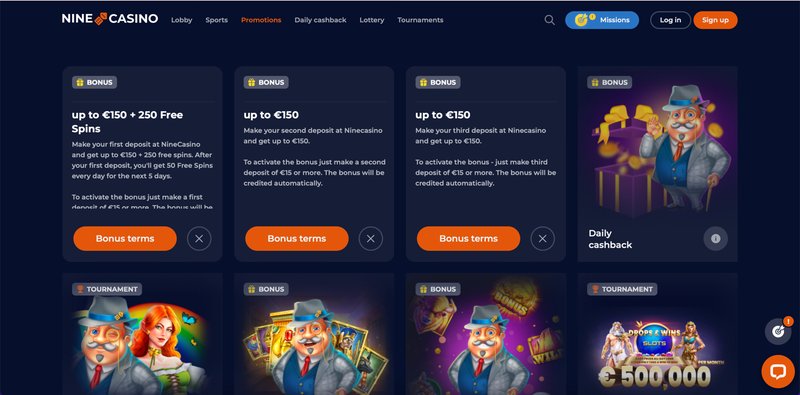
While cloud gaming reshapes how we play, it also nudges the broader entertainment ecosystem toward on‑demand experiences. Streaming movies, music, and even live sports share the same latency‑optimised pipelines. It’s no surprise that platforms like ninewin are experimenting with hybrid models that blend interactive gameplay with traditional broadcast content, blurring the line between gaming and other digital media.
What Still Holds You Back?
The biggest hurdle remains connectivity. Rural areas in Scotland and Wales still average 10‑15 Mbps, which forces streams to drop to 480p or, worse, disconnect entirely. In those spots, a traditional console with a disc still offers the most reliable experience.
Another limitation is data caps. Many UK broadband plans impose a 500 GB monthly limit. Streaming a 1080p game for two hours consumes roughly 12 GB, meaning a heavy gamer could exhaust their allowance after just a few days.
Finally, the tactile feedback of a controller is hard to replicate on a phone or tablet. While some services now support Bluetooth peripherals, the latency added by the wireless link can negate the benefits of cloud processing.
Looking Ahead: A More Connected Play Space
Despite the drawbacks, the trajectory is clear. As 5G rolls out nationwide, average mobile latency is projected to fall below 20 ms, making true handheld cloud gaming a reality for most of the population. Coupled with the rise of cross‑platform saves, we can expect a future where your game progress follows you from a high‑end PC at home, to a modest tablet on the bus, and back again without missing a beat.
For now, the best approach is hybrid: keep a modest console for offline or exclusive titles, but let the cloud handle the bulk of your play. That way you get the flexibility of “play anywhere” without sacrificing performance when the network falters.