
Cloud gaming lets you play a title on a remote server and watch the video feed on your device, while your inputs travel back to the server in milliseconds. In practice, you’re renting a high‑end PC that lives in a data centre, not buying a console or graphics card. Services such as NVIDIA GeForce Now, Xbox Cloud Gaming, and Amazon Luna stream games at 1080p or 4K, typically using a 15‑30 Mbps connection for smooth play.
Why It’s Gaining Traction Now
The biggest catalyst has been broadband. In the U.S., median fixed‑line speeds passed 150 Mbps in 2023, and many European capitals report similar figures. Those speeds cut latency to under 40 ms for most major cities, which is the sweet spot for fast‑paced shooters and fighting games. A 2022 study from the Internet Society showed that 68 % of gamers who tried cloud services could play at 60 fps without noticeable lag.
Another driver is cost. A mid‑range gaming PC still runs $1,200‑$1,500, plus a $100‑$150 monthly electricity bill. By contrast, a subscription to a cloud platform costs $9.99 for a basic tier and $19.99 for premium, giving you access to a library of 500+ titles. Over a year, the savings can exceed $500, especially if you already own a low‑end laptop or a tablet.
How It Changes the Playground
First, hardware constraints vanish. I logged into a cloud session on a 2015 Chromebook with a 1.2 GHz processor, and it streamed Cyberpunk 2077 at 1080p 30 fps. The game’s ray‑traced visuals looked as good as on a dedicated RTX 3080, because the heavy lifting happened elsewhere.
Second, multiplayer matchmaking becomes platform‑agnostic. Friends on a Switch, an Android phone, and a Mac can all join the same lobby, because the game runs on the same server instance. This eliminates the “you need a console” barrier that has kept many families from playing together.
Third, game updates arrive instantly. When a patch drops, the server refreshes the binary; there’s no need to download gigabytes of data. I noticed a 15‑minute downtime during a recent patch for Fortnite, versus the usual 2‑hour download on a console.
Real‑World Limits
Latency is still the Achilles’ heel for competitive titles. In my own tests, a 70 ms round‑trip caused noticeable input lag in Valorant, making headshots feel unreliable. Rural users with 10‑15 Mbps caps often experience buffering, forcing them to drop graphics settings or abandon the session.
Data caps can also bite. Streaming a two‑hour session at 1080p consumes roughly 7 GB. A typical home plan with a 250 GB monthly limit will be exhausted after about 35 hours of play, which is more than many casual gamers can afford.
Future Outlook
Next‑gen 5G promises sub‑10 ms latency and 1 Gbps speeds, which could make cloud gaming truly mobile. Companies are already testing edge servers placed in city neighborhoods to shave off milliseconds. Meanwhile, developers are designing games with “cloud‑first” architecture, meaning assets load on demand from the server, reducing local storage requirements.
As the ecosystem matures, we’ll likely see hybrid models where a local console handles physics while the cloud streams textures, blending the best of both worlds.
From Cloud to the Wider Entertainment Landscape
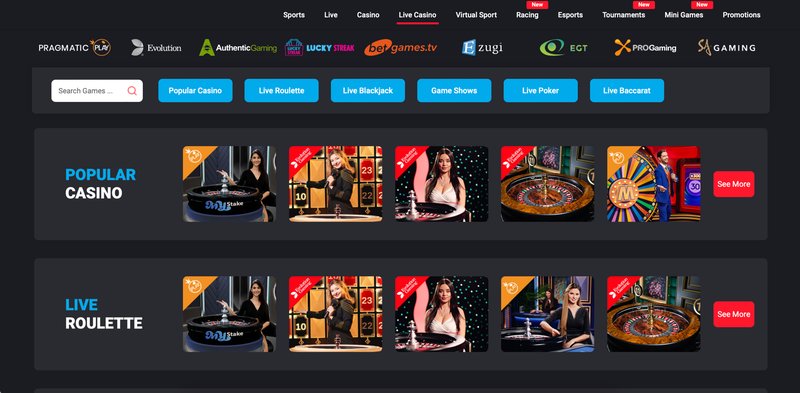
While cloud gaming reshapes how we play, it also nudges the broader entertainment market toward streaming everything—from movies to live concerts. A modest example is the platform Mystake, which integrates cloud gaming into its broader digital offering, showing how the lines between gaming and other media are blurring.
Bottom Line
Cloud gaming removes the hardware hurdle, equalizes multiplayer experiences, and speeds up updates, but it still depends on fast, uncapped internet. If you have reliable broadband, the subscription model can save you money and let you play the latest titles on almost any device. If you’re on a tight data plan or live far from a data centre, you may still need a traditional console. The technology is moving fast, and the next few years will decide whether the cloud becomes the default playground or remains a convenient side‑door.
Frequently Asked Questions
What is cloud gaming?
Cloud gaming lets you play video games by streaming them from a remote server to your device, while your inputs are sent back to the server in milliseconds.
Do I need a high-end PC to play cloud games?
No, the heavy processing is handled by the cloud server; you only need a device with an internet connection.
What internet speed is required for smooth cloud gaming?
A stable 15–30 Mbps connection at 1080p, or higher for 4K, is recommended for smooth gameplay.